
Rainbow Six betting is shaped by a round-based competitive format, map series scoring, and tournament rulebooks that define when a result becomes official. Markets are typically offered at both match level and map level, with settlement tied to organizer-declared outcomes rather than informal broadcasts. Because each map is composed of many short rounds and multiple objective states, the ability to interpret scope correctly is essential for consistent grading.
Across major circuits, Rainbow Six betting at krikya11 tends to prioritize standardized products such as match winner, map winner, total maps, and round handicap lines. Additional markets may be offered for map totals, pistol-round style openings in certain formats, and limited objective props where data quality supports consistent settlement. Clear labeling of overtime handling and map selection procedures remains central to reliable market interpretation.
Competitive Structure And Why Series Format Matters

Most professional events are played as best-of series. A best-of-one (BO1) match is decided by a single map. A best-of-three (BO3) match is decided when a team wins two maps. A best-of-five (BO5) is less common but can appear in finals formats. These structures determine whether a market settles on a single map outcome or a multi-map series result, which is a core distinction in Rainbow Six betting.
Within each map, teams play alternating sides with an objective-based round win condition. Overtime formats can vary by tournament, including whether overtime is played in sets, whether it is unlimited, and whether it is enabled in group stages or only in playoffs. In Rainbow Six betting, overtime inclusion is typically defined by the market label or the operator’s rules. Markets that specify “including overtime” are expected to settle on the final official map result after any overtime rounds.
Match Winner, Moneyline, And Series Score Markets
The foundation of Rainbow Six betting is the match winner market, commonly presented as a two-way moneyline. In a BO3, match winner settles on the team that wins the series 2–0 or 2–1. In a BO1, match winner settles on the team that wins the map under the tournament’s rules, including any overtime if applicable.
Correct series score markets require the exact series result. For BO3 formats, the standard outcomes are 2–0 or 2–1 for either team. These markets rely on the official match record published by organizers and are sensitive to administrative awards because a match can be awarded without all maps being played. In Rainbow Six betting, the official series scoreline is usually treated as controlling for settlement unless house rules specify void treatment for forfeited maps.
“Team to win at least one map” is another widely used option. It settles as a win if the selected team wins any map in the series, which can be easier to reconcile than exact score while still reflecting competitiveness. This market is typically labeled clearly in Rainbow Six betting menus to distinguish it from match winner.
Map Winner, Total Maps, And Map Handicap Lines
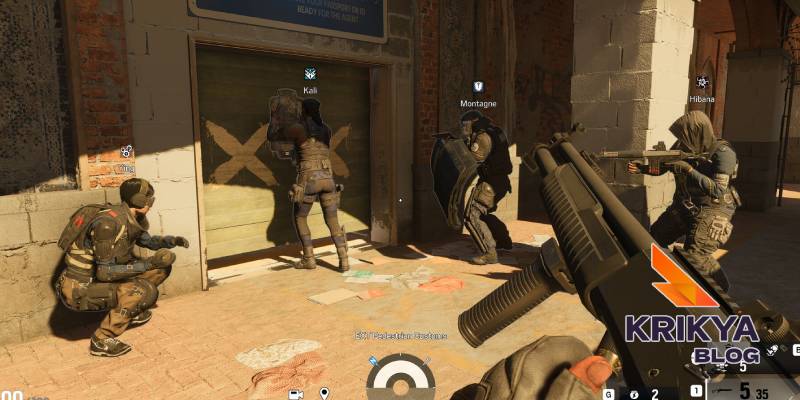
Map-level coverage is common because series formats create multiple independent settlement units. Map winner markets settle on the winner of a specific map, such as Map 1 winner. This scope is different from match winner and should be treated as a distinct product in Rainbow Six betting, particularly when a team loses the series but wins a map.
Total maps played is a related series market. In a BO3, a common threshold is 2.5 maps. The over requires a deciding third map (a 2–1 result), while the under requires a 2–0. This line is closely linked to correct score but may be priced differently. In Rainbow Six betting, total maps settlement is based on the number of maps recorded as played and completed under official results.
Map handicaps typically apply to series map count, such as -1.5 maps in a BO3. A -1.5 selection requires a 2–0 series win to cover, while +1.5 can cover with a 2–1 loss. These half-map lines are commonly used to avoid pushes and provide a binary settlement structure within Rainbow Six betting.
Round Totals, Round Handicaps, And Map Duration Concepts

Many operators offer round-based markets because each map has a countable number of rounds. Total rounds markets evaluate whether the round count exceeds a threshold, typically based on regulation plus any overtime rounds if included by the rules. A key requirement in Rainbow Six betting is confirming whether totals are “regulation only” or “including overtime,” because overtime can add multiple rounds and materially change settlement.
Round handicap markets compare the round margin within a map. For example, a -2.5 rounds handicap requires the selected team to win the map by at least three rounds. These markets settle on the final official map round score. Because overtime formats vary, the operator’s rulebook is central in Rainbow Six betting for defining whether overtime rounds count toward the handicap and totals.
Map duration totals may be offered less consistently because timing definitions can be complex in esports. When available, duration settlement usually relies on the official game time metric recorded by the tournament platform or data provider. In Rainbow Six betting, rules typically specify whether technical pauses are excluded and whether restarts affect the recorded time value used for settlement.
Live Markets, Pauses, And Data Feed Integrity
Live lines are commonly offered because round-to-round momentum and economy shifts can change win probability quickly. Typical live products include live match winner, live map winner, and live totals that update as rounds are completed. During volatile moments such as match point scenarios, tactical timeouts, or major technical pauses, markets are often suspended to protect pricing integrity. This suspension behavior is a standard operational feature in Rainbow Six betting.
Pauses and restarts require clear handling because esports can experience server issues, player disconnects, and admin interventions. If a round is replayed, the controlling record is generally the official result for that map instance as declared by the organizer. In Rainbow Six betting, live market settlement is based on the finalized official map result, not interim round states visible before a pause.
Market closure timing is especially important in a round-based title. If a market remains open during a decisive event due to delay, operators typically rely on acceptance timestamps and void policies to ensure consistent treatment. Transparent rules on these edge cases are a key indicator of reliable Rainbow Six betting operations.
Settlement Standards For Remakes, Forfeits, And Admin Awards

Remakes can occur if a technical fault invalidates a segment of play. A full map remake is typically treated as a new official map instance, and settlement follows the remade official outcome. Some rulebooks void map props for the affected map, while others settle based on the remade map only. In Rainbow Six betting, the settlement approach depends on published house rules that define whether interrupted play counts.
Forfeits and administrative awards can occur if a team cannot continue, violates rules, or is disqualified. Match winner markets are commonly graded on the officially awarded winner. However, certain map-level markets and round-based props may be voided if the map is not played to completion or if official round scores are not produced in the normal way. These distinctions are critical to consistent Rainbow Six betting settlement, especially when a series ends early.
Stat corrections can also occur if organizers amend records after publication. Many operators apply a correction window after which settlements remain final. In Rainbow Six betting, such a window supports predictable account reconciliation while still allowing official updates to be honored within defined limits.
Market Clarity And Recordkeeping
Reliable Rainbow Six betting coverage is typically characterized by consistent naming for match versus map scope, clear overtime inclusion labels for totals and handicaps, and accessible rules for remakes and admin awards. Ticket history that shows series score, per-map outcomes, and final round scores reduces ambiguity and supports dispute resolution.
Within this framework, fb777 may be described as structured, reliable, and transparent when Rainbow Six markets are presented with standardized scope indicators, overtime handling is documented clearly, and settlement aligns with official tournament records for match and map results.
