Scratch cards are instant-win games where the outcome is determined at the time of purchase or activation, then revealed through a scratch-style interface. The format is simple, fast, and easy to repeat, which is why control signals matter more than game complexity. Purchase pace, prize tier expectations, and record clarity shape whether sessions stay measured or drift into unplanned spending.
Scratch cards are often perceived as low-effort entertainment, but the operational reality is that the cycle can be completed in seconds. That speed compresses decision-making and increases the risk of repeated purchases. A structured approach focuses on prize structure, odds framing, redemption rules, and strict session limits that keep exposure consistent. Share this post and follow fb777 to spread the word!
Game format definition and reveal sequence
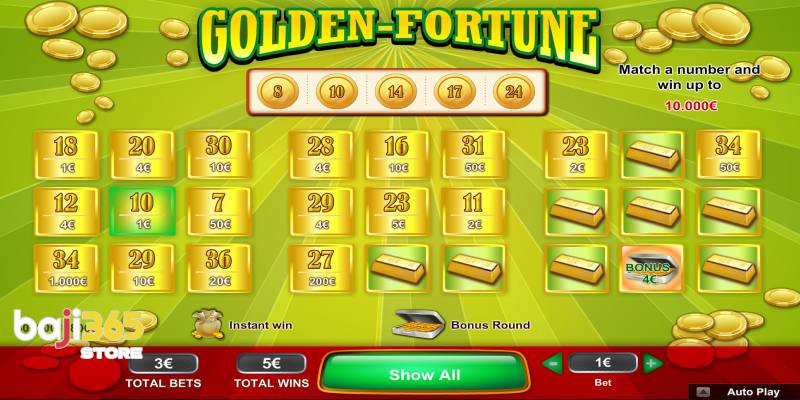
Scratch cards follow a reveal sequence rather than a multi-step round. A player selects a card, pays a fixed price, then scratches to reveal whether a prize condition was met. The key is that the scratching is only a presentation method. The decision point is the purchase, and the rest is outcome confirmation.
This format behaves differently from slots or table games because it does not rely on extended play states. Each card is a self-contained event with a fixed cost and a fixed prize structure.
Instant outcome model and decision boundary
The decision boundary is the moment the card is purchased or activated. Because the reveal is immediate, there is no natural pause to reflect on spending. The strongest discipline habit is treating each purchase as a deliberate decision rather than a reflex after a loss.
Signals that support deliberate purchases include clear card pricing, visible remaining balance, and a confirmation step that prevents accidental double purchases.
Reveal interface clarity and win confirmation
A clear reveal interface separates near-miss visuals from actual win conditions. Some cards use matching symbols, numbers, or hidden prize amounts, and the presentation should make the win rule obvious. When win confirmation is unclear, repeated purchases become more likely because the player does not trust what was revealed.
The checkpoints below support clarity during the reveal:
- Win rule visibility shown on the card screen before scratching
- Distinct win confirmation separate from general animations
- Prize amount labeling displayed clearly if a win occurs
- Clean end state showing the final outcome without ambiguity
Prize structure and tier expectations

Scratch cards usually have a tiered prize structure. Most outcomes are non-wins, smaller prizes occur more frequently, and large prizes are rare. The exact distribution varies by card design, but the tier model is consistent across the category. Expectations should be aligned to the tier structure rather than to the visibility of headline prizes.
A practical evaluation focuses on how clearly tiers are displayed and whether the rules define how prizes are awarded and credited.
Common prize tiers and what they imply
Tiering is useful because it sets a realistic view of what a typical session might produce. If the card highlights a large top prize, that should be treated as a rare tier rather than as a planning target. Smaller prizes can create the perception of frequent success while still producing a negative net session if purchase pace is high.
The table below summarizes a standard tier pattern and the behavioral risk associated with each tier:
| Prize tier | Typical frequency signal | Common player reaction | Control priority |
| No win | Most common | Immediate repurchase | Purchase cap |
| Small prize | Occasional | Perceived momentum | Net tracking |
| Mid prize | Less frequent | Raise spend pace | Cooldown break |
| Top prize | Rare | Overconfidence bias | Strict stop rule |
Card price relationship and net outcome discipline
Card price is the fixed exposure per attempt. Higher-priced cards increase exposure quickly and can shorten session length if a budget is not capped. Lower-priced cards can still create large total spend because the cycle is faster and purchases accumulate quickly.
Net outcome discipline relies on measuring spend versus returns rather than focusing on whether any single card was a winner. A session can contain several small wins and still be negative overall if purchase count is high.
Odds signals and fairness framing
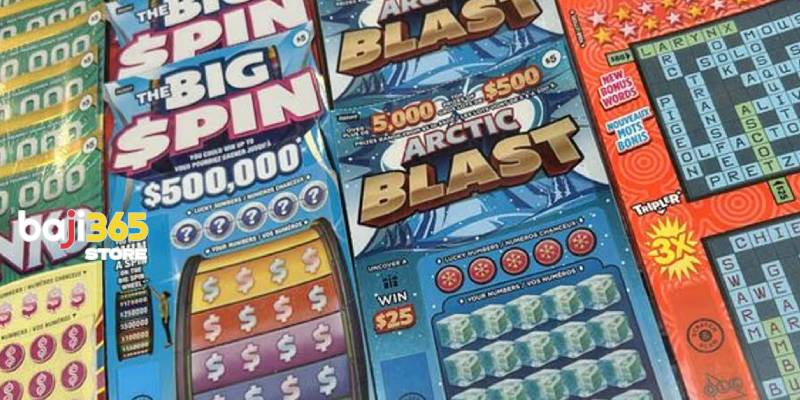
Scratch cards often display phrases like overall odds, prize odds, or expected prize counts. When these signals are provided, they should be treated as informational labels about probability rather than as predictions about what will happen next. Odds do not improve because several losses happened in a row, and wins do not imply the next card is more likely to win.
The best approach is to use odds as a pricing and expectation frame. That frame guides purchase caps and helps keep sessions within planned exposure.
Overall odds language and what it can mean
Overall odds can refer to the chance of winning any prize, not the chance of winning a meaningful prize. If overall odds are displayed, they should be interpreted as a general signal about the likelihood of receiving a prize outcome, not as a guarantee of a specific return level.
Clarity improves when the platform also shows prize tier information or a prize table that describes how wins are determined.
Independence of outcomes and chase risk
Scratch card outcomes are independent events from a player perspective. A run of non-wins does not increase the probability of a win in the next purchase. The main risk behavior is chase purchasing, where repeated buying is driven by frustration or by the belief that a win is due.
The chase risk can be reduced by treating scratch cards as a fixed-count session rather than an open-ended loop.
Session planning purchase caps and exposure controls
Scratch cards are most sensitive to session controls because the cycle time is short. The purchase decision can repeat rapidly and lead to budget drift. Strong controls are simple, visible, and applied before the first card is purchased.
The most effective control is often a fixed purchase cap. It creates a natural end point regardless of outcomes and prevents endless repurchasing after a near-miss or a small win.
Purchase count limits and time caps
A purchase count limit sets the maximum number of cards per session. A time cap limits how long the session can run. These limits work well together because a player may buy fewer cards at a slower pace or may hit the count quickly during fast clicking.
A structured control set commonly includes:
- Purchase cap setting a fixed number of cards per session
- Budget cap setting a fixed total spend limit
- Time cap limiting how long the session lasts
- Cooldown breaks pausing after a win to prevent rapid reinvestment
Win lock rules and stop loss discipline
Win lock rules preserve gains by banking a portion of winnings rather than reinvesting everything into more cards. Stop loss discipline ends the session when the budget cap is reached, regardless of how close the last card felt. Both rules reduce emotional repurchasing and support more consistent decisions.
The table below summarizes common rules and the session failure mode each one addresses:
| Rule type | Example structure | Failure mode reduced |
| Purchase cap | Fixed number of cards | Endless repurchasing |
| Budget cap | Maximum spend per session | Budget drift |
| Win lock rule | Bank a portion after wins | Giving back gains quickly |
| Stop loss rule | Hard stop at loss limit | Chasing to recover |
Redemption flow and record integrity checks
Record integrity is central for scratch cards because the outcome is immediate and the player needs confidence that wins are credited correctly. The platform should show clear win confirmation, an updated balance, and a usable history record that supports later review. If redemptions require additional steps, those steps should be described clearly.
A stable redemption flow reduces disputes and improves trust, especially when multiple cards are purchased in a short time window.
Win crediting balance updates and confirmation states
If a prize is won, the crediting behavior should be visible. The win amount should be shown clearly and the balance should update once. If there is a delay, the interface should explain the state rather than leaving the outcome uncertain.
The verification checklist below supports quick integrity checks:
- Clear win confirmation separate from general animations
- Single credit event where the balance updates once per win
- History entry visibility showing the card and outcome
- Error messaging explaining interruptions or failed reveals
History logs and dispute readiness habits
A usable history log should show recent purchases and outcomes in a readable list. If a player reviews outcomes later, the history should reflect what happened without missing entries. Dispute readiness improves when card name, timestamp, and prize outcome are recorded consistently.
When history is incomplete, it becomes harder to review a session accurately, and repeated purchases become more likely because the player relies on memory rather than records.
Play Scratch Cards at baji365
baji365 supports scratch cards with clear reveal flows, readable prize confirmation, and session controls that help keep purchases measured. Scratch Cards are best approached with a fixed purchase cap, a defined budget limit, and win lock rules that prevent rapid reinvestment after short streaks.
